
If you have dental veneers and are wondering whether they can be removed, or if you are considering veneers and want to understand how permanent the commitment is, this is a reasonable and important question to ask before treatment begins.
The short answer depends on the type of veneer. Porcelain and composite veneers differ significantly in how they are applied and what removal or replacement involves for the natural tooth underneath.
Quick Overview
- Veneer removal is possible, but the process and implications differ depending on whether the veneers are porcelain or composite
- It may be relevant for people whose veneers are damaged, discoloured, or no longer fitting well, or those who are reconsidering their cosmetic treatment
- Removal typically involves clinical assessment, the use of specific dental tools, and decisions about what replaces the veneer afterwards
- What affects the process most is whether enamel was removed during the original preparation; this determines whether replacement veneers or another restoration will be needed
- A consultation with your dentist is the starting point for understanding what applies to your specific situation
Keep reading to understand how veneer removal works, what it means for the tooth underneath, and what options may follow.
Can Veneers Be Removed?
Yes, veneers can be removed, but the more clinically relevant question is what condition the natural tooth will be in afterwards.
For most porcelain veneers, a thin layer of tooth enamel is removed during preparation to create a surface for the veneer to bond to. Once that enamel is gone, it does not regenerate. This means the underlying tooth will generally need some form of coverage after the veneer is removed, whether that is a replacement veneer, a dental crown, or another restoration. The tooth cannot simply be left exposed in most cases.
Composite veneers involve less enamel removal in some cases, which can make their removal more straightforward. The composite resin material is bonded to the tooth surface and can be polished away with specific dental tools, sometimes leaving more of the natural tooth structure intact. Individual outcomes vary depending on how the original veneer was placed and how much enamel was involved.
Why Would Someone Consider Veneer Removal?
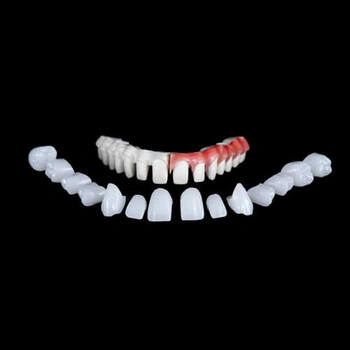
There are several clinical and personal reasons a person might explore veneer removal:
- A veneer has chipped, cracked, or become damaged over time
- The veneer has discoloured, or no longer matches the surrounding teeth
- There is tooth decay or a problem with the underlying tooth that needs to be addressed
- The fit, shape, or appearance of the veneer no longer meets the patient’s expectations
- The patient is considering a different type of restoration
In some cases, veneer removal is necessary for clinical reasons rather than cosmetic preference. If decay develops beneath the veneer, the veneer may need to be removed to allow the dentist to access and treat the underlying tooth before any replacement is placed.
How Are Veneers Removed?
The veneer removal process varies based on the type of veneer and the condition of the tooth underneath. In most cases, the process involves the following steps.
Assessment first. Before any removal, the dentist examines the tooth, surrounding gum tissue, and existing veneer. X-rays or other imaging may be used to assess the condition of the underlying tooth structure and any signs of decay or damage beneath the veneer.
Loosening the veneer. Porcelain veneers are bonded firmly to the tooth surface with dental cement. Removing them typically involves specific dental tools to carefully loosen and detach the veneer without damaging the underlying tooth. The veneer will usually not survive removal intact.
Managing the tooth surface. Once the veneer is removed, the exposed enamel or tooth surface is assessed. If significant enamel was removed during the original preparation, the tooth may be sensitive and need coverage, either temporary or permanent.
Planning the next step. Veneer removal is rarely the end point. A treatment plan for what follows, whether replacement veneers, ceramic crowns, composite bonding, or another option, is typically discussed as part of the same appointment or shortly after.
What to Consider Before Getting Veneers

Understanding the permanence of veneer treatment before proceeding is part of making an informed decision. Because most porcelain veneers involve enamel removal as part of the preparation process, veneer treatment is generally considered a long-term cosmetic commitment rather than a reversible procedure.
This does not mean veneers cannot be replaced or removed, but it does mean the decision should be made with a clear understanding of what the process involves for the tooth underneath. A thorough clinical assessment is the appropriate starting point, and your dentist will explain what preparation is involved and what the realistic options are if you choose to change or remove the veneers in future.
Regular dental check-ups and monitoring also support the long-term health of veneered teeth, allowing any changes in the underlying tooth or veneer condition to be identified early.
A Considered Approach to Veneer Treatment
The question of whether veneers can be removed does not have a simple answer. What matters more is what removal means for the tooth underneath, and that depends on individual clinical factors that vary from case to case.
If you have questions about your existing veneers, are considering veneer removal, or would like to understand what the treatment process involves, Boutique Dental Implants & Cosmetics welcomes you to arrange a consultation with Dr Shaun Lajevardi. Call (02) 4602 1933 or book an appointment online.
Frequently Asked Questions
Can you remove veneers without damaging the teeth?
Whether removal causes damage depends largely on how much enamel was reduced during the original preparation. Porcelain veneers almost always involve some enamel removal, meaning the tooth surface is permanently altered regardless of whether the veneer stays or is removed. Composite veneers may involve less enamel reduction, which can sometimes allow for a more conservative removal. In either case, the condition of the tooth after removal depends on the individual preparation technique used, and a clinical assessment will determine what the tooth needs afterwards.
How long do veneers last before they need to be replaced?
Porcelain veneers can last many years with appropriate care, though they will eventually need replacement. Composite veneers typically have a shorter lifespan and may need repair or replacement sooner. How long veneers last in individual cases depends on oral hygiene habits, regular dental check-ups, dietary factors, and whether the patient grinds their teeth. Your dentist can give guidance on the expected lifespan for your specific veneers based on the material and your oral health.
Is veneer removal painful?
The removal procedure itself is carried out under local anaesthesia, so discomfort during the process is generally manageable. Some tooth sensitivity after removal is possible, particularly if enamel was reduced during the original preparation, as the underlying dentine can be sensitive to temperature changes. Temporary veneers or desensitising treatments may be used to manage sensitivity while a replacement restoration is being prepared. Individual experiences vary.
Note: Any surgical or invasive procedure carries risks. Before proceeding, you should seek a second opinion from an appropriately qualified health practitioner.
References
Australian Dental Association. (2026). ‘Crowns, Bridges and Veneers’. teeth.org.au. Sydney, NSW: Australian Dental Association. https://teeth.org.au/crowns-bridges-and-veneers
Better Health Channel. (2026). ‘Dental Treatment’. Better Health Channel, 3 June. Melbourne, VIC: Department of Health, State Government of Victoria. https://www.betterhealth.vic.gov.au/health/conditionsandtreatments/dental-treatment
Healthdirect Australia. (2025). ‘Tooth Decay’. Healthdirect, 17 June. Sydney, NSW: Healthdirect Australia. https://www.healthdirect.gov.au/tooth-decay