
Dental Crowns in Campbelltown
What Are Crowns and Bridges?
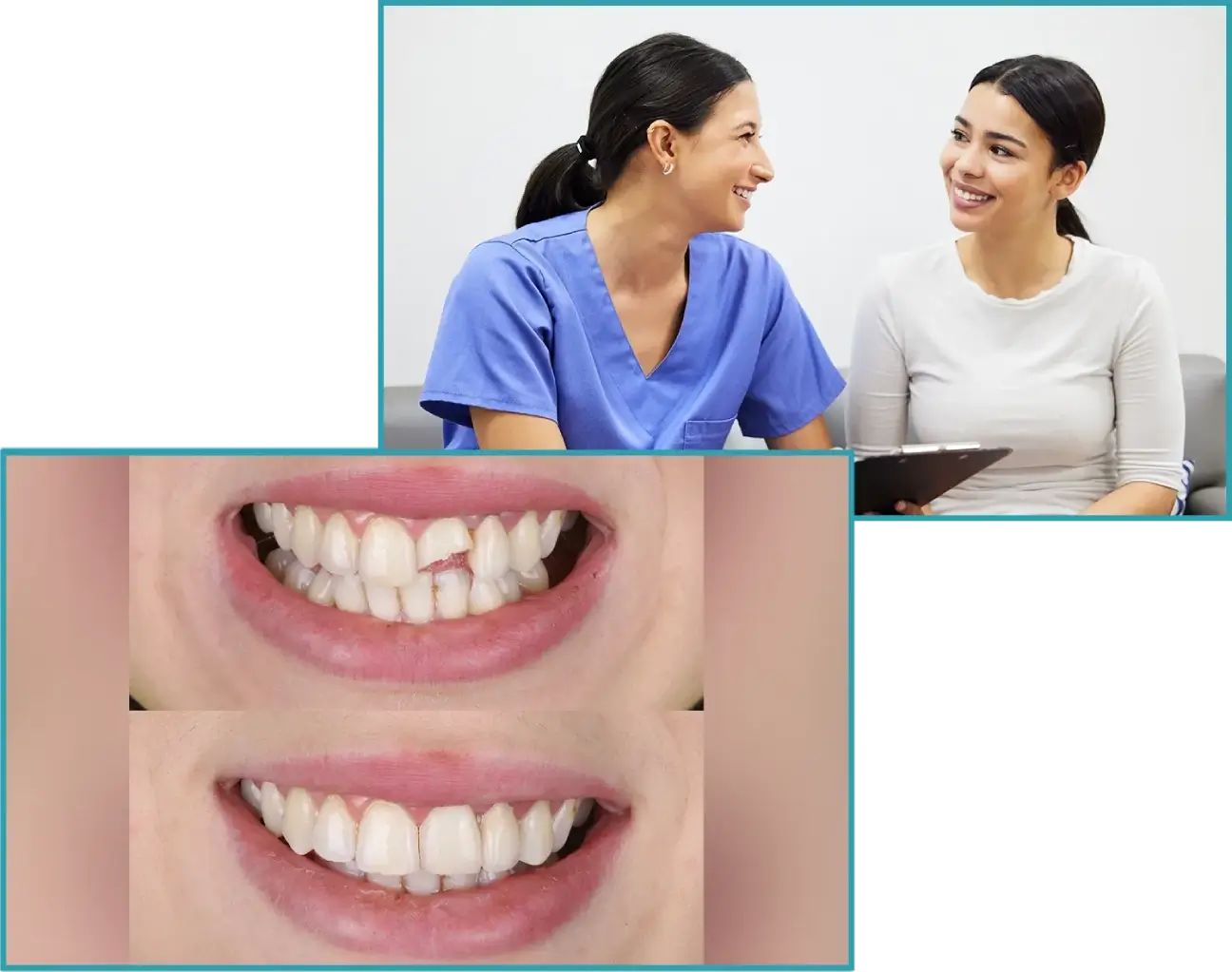
Crowns and bridges are used to restore damaged or missing teeth, helping improve strength, shape, and overall structure.
They are designed to work alongside your existing teeth, rebuilding continuity in your smile while supporting how your mouth functions over time.

Why Choose Crowns and Bridges at Our Clinic
At our dental practice located in Campbelltown, crowns and bridges are carefully crafted to blend with your natural teeth and sit in balance with your bite.
We take care with every detail, from shape to placement, so your restoration looks refined and supports consistent function during everyday activities.
Book an Appointment
NSW residents can book a visit by phone, email, and through our online booking form.
Frequently Asked Questions
What happens during a crown or bridge procedure?
A crown or bridge procedure involves preparing the tooth, taking impressions, and fitting the final restoration over separate visits. We begin by shaping the tooth to create the space needed for an accurate fit, then take detailed measurements to guide fabrication. A temporary restoration may be placed while the final piece is being made. At the next visit, we check the restoration for fit and bite before securing it. We make final adjustments to help ensure it sits comfortably and functions naturally within your mouth.
How do dental crowns help protect a weakened or damaged tooth?
Dental crowns are used to cover a damaged tooth and protect it from further wear. They are often recommended for weakened teeth that can no longer support normal biting pressure. As part of dental restorations, crowns are shaped to fit over the existing tooth and help restore strength during everyday use.
In some situations, teeth with deeper internal damage may also require root canal treatment before a crown is placed to help maintain the remaining tooth structure.
What is the difference between a crown and a bridge?
A crown and a bridge are used for different purposes depending on your needs. A crown covers a single prepared tooth, while a dental bridge is used to replace missing teeth by connecting artificial teeth to the surrounding support. Both are forms of crown and bridge work used to improve function.
When surrounding teeth cannot provide enough support for a bridge, implant-based replacement may sometimes be considered instead.
Will a dental bridge affect the teeth next to it?
A dental bridge relies on adjacent teeth for support, which means those teeth are prepared to hold it in place. These neighbouring teeth act as anchors, helping the bridge stay stable. The design usually includes two crowns that sit on these supporting teeth to secure the structure.
When several teeth are missing or the surrounding support is limited, removable denture options can provide another replacement approach.
Can crowns and bridges look like natural teeth?
Yes, crowns and bridges are designed to blend with your natural teeth in colour and shape. Many are made using porcelain fused materials, which help mimic the look of enamel. When properly designed, they can support a natural smile while maintaining function during everyday use.
The appearance of crowns and bridges is often planned in relation to nearby teeth so the overall smile looks balanced and consistent. In some situations, this may contribute to a broader smile makeover approach.
How can I help my crown or bridge last longer?
You can help your crown or bridge last longer by maintaining good oral hygiene and avoiding habits that place excess pressure on your teeth. Crowns and bridges can last many years depending on care, materials, and daily habits. Avoiding sticky foods and attending regular dental visits can help maintain their condition over time.
Will getting a crown change how my tooth feels?
Yes, a crown may feel slightly different at first, especially after placement. Over time, most people adjust as the tooth settles into function. The goal is to support everyday use without discomfort, helping restore strength and stability while allowing your bite to feel more natural again.
Note: Any surgical or invasive procedure carries risks. Before proceeding, you should seek a second opinion from an appropriately qualified health practitioner.