
Teeth Whitening in Campbelltown
What Is Teeth Whitening?
Teeth can lose brightness over time due to coffee, tea, smoking, and natural ageing.
Teeth whitening works to reduce staining and lift overall shade, helping improve the appearance of discolouration and restore a more even tone across your teeth.

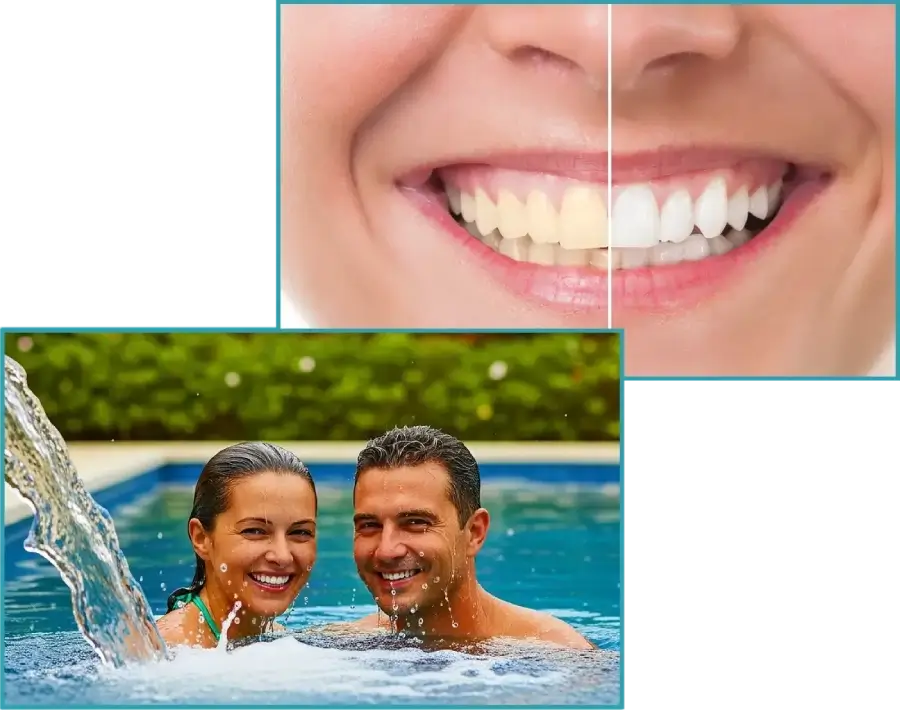
Why Choose Teeth Whitening at Our Campbelltown Clinic
Visit our dental clinic based in Campbelltown, NSW, where at Boutique Dental Implants & Cosmetics, teeth whitening is guided by how your smile will appear in real-world settings, not just in the chair.
We shape each stage to achieve a brighter, more balanced result that looks natural across lighting and daily interactions, avoiding a finish that feels overdone or artificial.
Book an Appointment
NSW residents can book a visit by phone, email, and through our online booking form.
Frequently Asked Questions
Is teeth whitening safe for most people?
Teeth whitening is generally considered safe when carried out under professional guidance. The question “Is teeth whitening safe?” depends on your current oral health, including the condition of your gums and teeth. Whitening may not be recommended if there is active gum disease or untreated concerns. A proper assessment helps identify whether whitening is suitable for you. When used appropriately, whitening products are designed to minimise risks. However, following instructions and avoiding overuse is important to protect your teeth and gums throughout the process.
Will teeth whitening work on all types of discolouration?
Teeth whitening does not work equally on all types of discolouration. It is generally more effective for yellow teeth caused by ageing or dietary habits, as well as surface stains from coffee or tea. However, deeper staining affecting the internal structure of the tooth or the tooth surface may respond differently. Some types of discoloured teeth, such as those affected by medication or trauma, may not lighten as expected. Understanding the cause of discolouration helps determine whether whitening is likely to be effective or if other options may be considered.
Changes in tooth colour are sometimes addressed alongside concerns such as spacing, shape, or overall smile balance. You can see our smile makeover options when exploring broader cosmetic treatment planning.
What can I expect during an in-chair or take-home whitening procedure?
During a teeth whitening procedure, we offer both in-chair and take-home options such as Pola. In-chair care involves applying a whitening gel containing hydrogen peroxide, while take-home systems use trays over several days. Both approaches fall under professional bleaching, designed to improve shade in a controlled setting. The process is guided to suit your teeth and preferences, with adjustments made depending on how your teeth respond. Each option works differently in timing and intensity, allowing flexibility based on your routine and desired pace of treatment.
How much does teeth whitening usually cost?
The teeth whitening cost can vary depending on the method used and the number of sessions required. In-chair treatments and take-home systems may differ in pricing due to the materials and time involved. Costs also depend on individual factors, including the level of staining and how many applications are needed. A consultation allows our dentist to outline expected costs based on your situation. While pricing is an important consideration, understanding what is included in the treatment helps provide a clearer picture of overall value.
Can whitening cause sensitivity or irritation?
Whitening can sometimes cause temporary sensitivity or irritation, particularly in people with sensitive teeth. Some may also experience mild gum irritation if the whitening product comes into contact with soft tissues. These effects are usually short-term and settle after treatment ends. Adjusting the strength or duration of whitening can help manage discomfort. It is important to follow professional guidance to reduce the likelihood of these reactions and to ensure the process remains as comfortable as possible for your individual needs.
Will whitening toothpaste give the same results as professional whitening?
Whitening toothpaste does not produce the same results as professional whitening treatments. Most toothpastes focus on removing surface stains rather than changing the internal colour of the tooth. They can help maintain a cleaner appearance, but are limited in how much they can lighten teeth. Professional whitening works beneath the surface to create a more noticeable change in shade. Using whitening toothpaste may support ongoing maintenance, but it is not designed to achieve the same level of whitening as in-clinic or prescribed options.
How long do teeth whitening results typically last?
Teeth whitening results can last for varying periods depending on lifestyle habits and maintenance. Factors such as diet, oral hygiene, and exposure to staining substances influence how long a brighter smile is maintained. Avoiding frequent contact with staining foods and drinks can help extend results. While whitening is part of cosmetic dentistry, it does not permanently change tooth colour. Occasional follow-up whitening sessions may be considered to maintain the desired shade over time, depending on how your teeth respond after the initial treatment.
How often can I safely have a teeth whitening treatment?
A teeth whitening treatment can usually be repeated after a period of time, based on how your teeth respond and the approach used. Whitening works gradually, so repeating it too frequently may not provide additional benefit. Spacing treatments appropriately allows your teeth to settle and reduces the chance of sensitivity. The timing varies for each person and depends on the type of whitening completed. A personalised review helps determine when another session may be appropriate, ensuring your treatment remains balanced and suited to your individual needs over time.
Will teeth whitening affect existing fillings, crowns?
Teeth whitening does not change the colour of existing fillings, crowns, or veneers. These materials respond differently to whitening agents compared to natural tooth enamel. As a result, there may be a difference in shade between treated teeth and existing restorations after whitening. This is considered during planning, especially if visible teeth are involved. In some cases, adjustments or replacements may be discussed after whitening to maintain a more consistent overall appearance.
Can teeth whitening be combined with Invisalign treatment?
Yes, teeth whitening may sometimes be considered alongside Invisalign treatment, depending on your oral health and treatment goals. As teeth move into improved alignment, some people also choose to address staining or uneven tooth colour as part of broader cosmetic planning. The timing of whitening can vary depending on how your aligners are being used and how your teeth respond during treatment. You can also explore Invisalign treatment if alignment changes are being considered alongside cosmetic improvements.
Note: Any surgical or invasive procedure carries risks. Before proceeding, you should seek a second opinion from an appropriately qualified health practitioner.