
Wisdom Teeth Removal in Campbelltown
Address discomfort caused by wisdom teeth in a limited space.
Why Might Wisdom Teeth Need Removal?
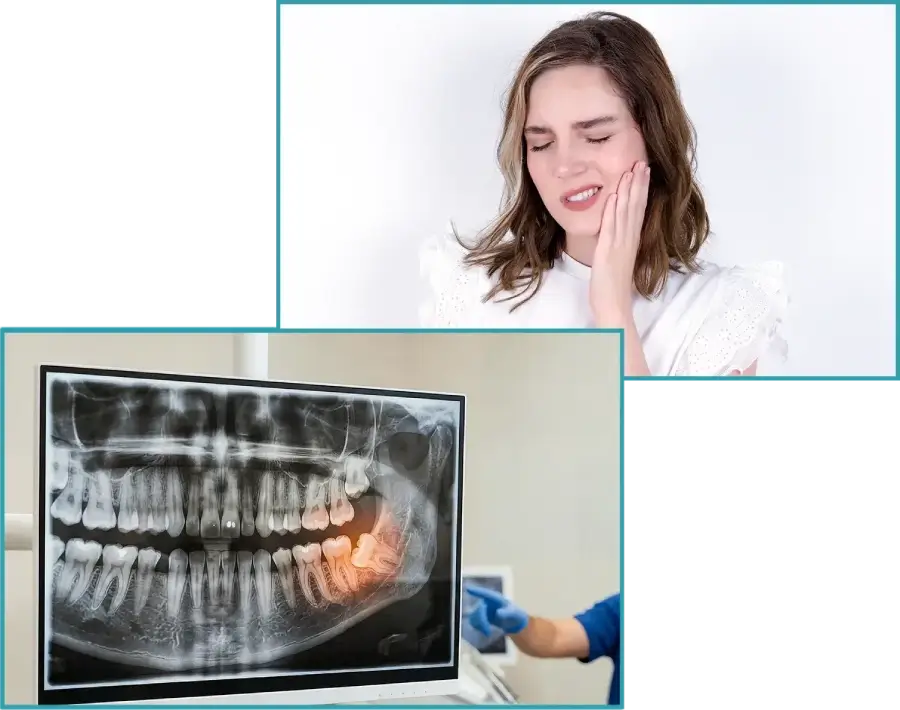
Wisdom teeth may need to be removed when there is limited space, discomfort, or difficulty keeping the area clean.
Positioned at the back of the mouth, they can place pressure on surrounding teeth and make daily hygiene more challenging over time.

Why Choose Wisdom Teeth Removal at Our Clinic
At our locally trusted dental clinic in Campbelltown, wisdom teeth removal is guided by a detailed assessment of how the teeth are positioned and how they may affect neighbouring teeth and surrounding structures.
We explain each stage clearly and adjust care as needed, helping you understand what to expect throughout the process.
Book an Appointment
NSW residents can book a visit by phone, email, and through our online booking form.
Frequently Asked Questions
What happens during a wisdom teeth removal procedure?
At our dental clinic, the wisdom teeth removal procedure begins with assessing the position of your third molars and planning how they will be managed. Local anaesthetic is used to numb the area before the teeth are carefully removed. For impacted wisdom teeth, additional steps may be required to access the tooth.
The surrounding area is then cleaned, and the extraction site is prepared for healing. Follow-up care is arranged to monitor recovery. Each stage is carried out with attention to how the area will respond, supporting a controlled approach throughout the procedure.
What should I do to prepare for wisdom teeth removal?
You may be advised to prepare for wisdom teeth removal by following specific instructions before your visit. This can include avoiding food or drink if sedation is planned and arranging time to rest after the procedure.
Wearing comfortable clothing and planning transport home may also be recommended. Preparing in advance helps ensure the process runs smoothly and allows you to focus on recovery afterwards. Our dentist will provide guidance based on your situation, including any steps to follow before your appointment and what to expect on the day of treatment.
Can wisdom teeth affect the alignment of my other teeth?
Yes, wisdom teeth can affect the alignment of other teeth if there is limited space in the jaw. Pressure from impacted teeth may contribute to crowding or shifting, particularly when teeth are already closely positioned. In some cases, this may influence previous orthodontic treatment results. Monitoring how these teeth develop helps identify whether they are likely to impact alignment.
Attending a routine dental check-up and clean also helps monitor changes affecting the position of your teeth and surrounding gum health over time. An early assessment allows changes to be observed and managed appropriately. Not all cases result in movement, but identifying potential impact early helps guide decisions around whether removal may be beneficial.
What are impacted or partially erupted wisdom teeth?
Impacted wisdom teeth are teeth that do not fully emerge through the gum line due to a lack of space or obstruction. Partially erupted teeth may only break through the surface, leaving part of the tooth covered by gum tissue. These situations can create areas where bacteria may collect, increasing the risk of irritation or infection.
The position of these teeth can also affect adjacent teeth if pressure builds. In some cases, trapped bacteria and difficulty cleaning the area may contribute to decay in nearby teeth, where tooth fillings may later be needed to restore affected areas. Understanding how wisdom teeth are developing helps determine whether they are likely to cause problems or remain stable over time without requiring intervention.
Will I need sedation for wisdom teeth extraction?
You may be offered sedation options for wisdom teeth extraction depending on your needs and how you feel about the procedure. Some people feel anxious about dental procedures, and sedation can help make the experience more manageable. The type of sedation considered depends on the complexity of the extraction and your level of comfort.
Not all cases require additional support, and many can be managed with local anaesthetic alone. In some situations, sedation dentistry may be discussed when treatment feels difficult to manage or longer procedures are involved. Discussing your concerns beforehand helps determine a suitable approach for your treatment needs.
How long does it take to recover after wisdom teeth are extracted?
Recovery after wisdom teeth are extracted varies depending on how the teeth were positioned and how your body responds. Most people notice gradual improvement over several days as the area heals. It is important to follow care instructions to support healing at the extraction site and reduce the risk of complications.
Swelling and sensitivity may occur initially but usually settle over time. Monitoring the area during recovery helps ensure it is healing as expected. The timeline differs between individuals, and follow-up reviews may be arranged to assess progress during the healing process.
Can I brush my teeth normally after wisdom teeth removal?
You can brush your teeth after wisdom teeth removal, but you will need to be careful around the treated area. Gentle brushing is recommended, avoiding direct contact with the extraction site initially. As healing progresses, you can gradually return to your normal routine. Keeping the area clean helps support recovery while reducing the risk of irritation.
Following specific aftercare guidance helps ensure that cleaning does not disturb the healing process. Adjusting your brushing technique temporarily allows you to maintain oral hygiene without affecting the area as it recovers.
Can I eat normally after having my wisdom teeth removed?
You may need to adjust how you eat after your wisdom teeth are removed, especially during the first few days. Softer foods are usually recommended, as they are easier to manage when chewing is limited. Avoiding hard, crunchy, or hot foods can help reduce irritation in the treated area. Gradually reintroducing firmer foods depends on your comfort when chewing.
Choosing foods that require minimal pressure helps make eating more manageable during this time. Following aftercare advice supports a smoother transition back to your usual diet without placing unnecessary strain on the area.
Note: Any surgical or invasive procedure carries risks. Before proceeding, you should seek a second opinion from an appropriately qualified health practitioner.