
When a tooth is removed or lost, the bone that once supported it can slowly shrink. This change is not always visible straight away, but over time it may affect nearby teeth, the gums, and even the shape of the smile. For many people planning a dental implant, a bone graft becomes an important step.
Understanding bone graft before and after changes can help you know what to expect and why the treatment matters.
Why Bone Loss Happens
The jaw bone stays healthy through daily chewing pressure. When a tooth is gone, that stimulation stops. Without it, the bone in that area gradually reduces in volume and strength.
This can make placing a future implant difficult because implants need solid bone support. A bone graft is used to rebuild that support so the area can safely hold a replacement tooth.
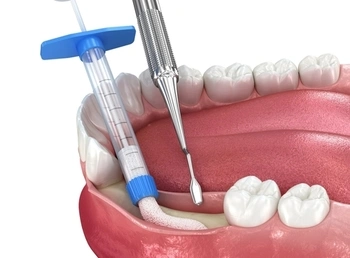
What a Bone Graft Is
A bone graft is a treatment that adds new bone material to the jaw. The material may be natural or specially prepared, and it works by encouraging your body to grow new bone around it.
Your body responds using natural healing processes and growth factors. Over time, the graft blends with your existing bone to create a stable foundation.
This step helps protect the long-term outcome of a dental implant rather than rushing directly into placement when the bone is not ready.
Before the Procedure
Before surgery, the dentist examines the area carefully. X-rays or scans help measure bone levels and plan the position of the future implant.
The patient is given clear instructions about eating, medications, and aftercare preparation. The goal is to ensure the graft heals smoothly and comfortably.
Many people feel relieved at this stage because they finally understand why a missing tooth cannot always be replaced immediately.
During the Bone Graft Surgery
The procedure is usually performed under local anaesthesia. The dentist gently opens the gum, places the graft material, and closes the area.
The treatment focuses on protecting the surrounding tissue and encouraging healthy healing conditions. Most patients describe pressure rather than pain during the procedure.
Healing: The “After” Phase
After the graft, the body slowly replaces the graft material with real bone. This takes time and patience.
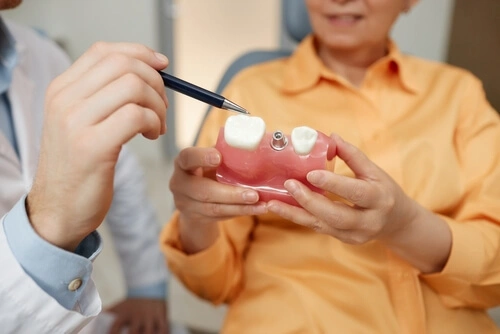
In the early days:
- Mild swelling is common.
- The gums begin to seal.
- The area feels tender.
Over the following weeks and months:
- The bone strengthens.
- The jaw regains volume.
- The implant site becomes stable.
The bone graft before and after difference is usually internal rather than visible. The main change is improved support inside the jaw, allowing safe implant placement later.
How It Helps Dental Implants
Once healing is complete, the area can hold a dental implant securely. The implant then acts like a tooth root, supporting a new crown and restoring chewing function.
Without the graft, the implant may not integrate properly. With the graft, the new tooth can feel stable and natural.
Long-Term Benefits
Patients often notice:
- Better chewing comfort
- A balanced bite
- A more complete smile
The aim is not only to replace a tooth, but to preserve jaw structure for the future.
Final Thoughts

Bone graft treatment is planned as a careful, staged process rather than a quick addition before an implant. Each phase, including assessment, graft placement, and healing, allows the jaw to rebuild support in a controlled way so future treatment can function predictably.
The value of the procedure is usually seen over time. By restoring bone first, the mouth is better prepared to handle normal biting forces and maintain balance after tooth loss, rather than relying on short-term solutions.
If you’d like to understand how bone grafting may help after tooth loss, or learn whether your jaw has enough support for an implant, you can book an appointment with us at Boutique Dental Implants & Cosmetics or call (02) 4602 1933.
Resources
Mayo Clinic Staff (2024). ‘Dental Implant Surgery’. Mayo Clinic, 23 October. Rochester, MN: Mayo Foundation for Medical Education and Research. https://www.mayoclinic.org/tests-procedures/dental-implant-surgery/about/pac-20384622
Cleveland Clinic (2024). ‘What To Do After Oral Surgery: Recovery and Self-Care’. Cleveland Clinic Health Essentials, 5 July. Cleveland, OH: Cleveland Clinic Foundation. https://health.clevelandclinic.org/post-op-recovery-oral-surgery
Note: Any surgical or invasive procedure carries risks. Before proceeding, you should seek a second opinion from an appropriately qualified health practitioner.