Many patients ask whether light smoking after dental implant treatment is truly a problem. It is a fair question, especially for those who do not consider themselves heavy smokers. Even light smoking can influence healing, implant stability and long-term success. Understanding how smoking habits interact with the healing process helps you make informed decisions that protect both your implant and your overall oral health.
This guide explains what happens during dental implant surgery, how smoking affects recovery and why dental professionals strongly advise caution during the healing period.
Understanding Dental Implant Surgery in Simple Terms
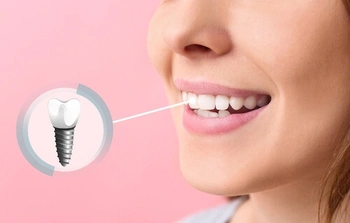
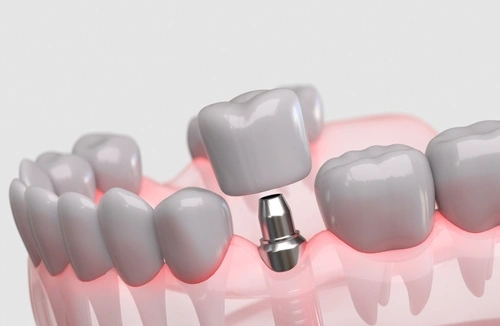
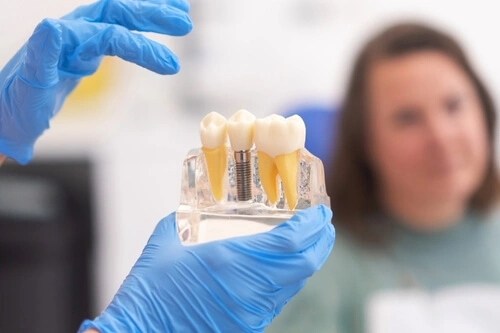
Dental implant surgery is a carefully planned procedure designed to replace missing natural teeth. During the dental implant procedure, a titanium post is carefully inserted into the jawbone at the implant site. This post serves as a strong base that supports the replacement tooth and allows the new tooth to function naturally.
Following implant placement, the body begins a complex healing process. Blood clot formation occurs at the surgical site, gum tissues start to close, and bone healing begins around the implant. Over time, this leads to successful implant integration, where the implant becomes securely anchored within the bone.
This process is essential for implant success and relies heavily on healthy blood flow, strong blood vessels and proper tissue regeneration.
Why Light Smoking Still Matters After Implant Surgery
Some people believe that light smoking or smoking after dental only occasionally does not carry real risks. In reality, even light smoking can have adverse effects on healing progress.
Cigarette smoke contains nicotine and carbon monoxide. Nicotine causes blood vessels to narrow, reducing blood flow to the implant site. Carbon monoxide reduces oxygen delivery to surrounding tissues. Together, these factors interfere with the body’s ability to heal efficiently.
This reduced circulation can lead to a slower healing process or a delayed healing process, increasing the risk of implant failure even when smoking is limited.
How Smoking Affects the Healing Period
Smoking can interfere with the body’s natural ability to heal after implant surgery, even when smoking is limited. Understanding how smoking affects circulation, tissue repair and recovery helps explain why careful management during this stage is essential for proper healing and long-term implant success.
Reduced Blood Flow and Tissue Repair
Healthy blood flow is essential after implant surgery. It delivers oxygen, nutrients and immune cells needed for proper healing. Smoking after dental implant surgery restricts blood vessels, limiting circulation to the implant site and surrounding tissues.
As a result, gum tissues may heal more slowly, tissue regeneration is impaired, and bone healing may not progress as expected. This can compromise implant stability and the formation of a stable foundation.
Increased Risk of Infection
The surgical site is vulnerable during the initial healing phase. Smoking can reduce the body’s ability to fight bacteria, increasing the risk of infection. Infection around the implant site can disrupt blood clot formation and damage surrounding tissues.
When infection occurs, implants fail more often, leading to a higher dental implant failure rate compared to non-smokers.
Bone Healing and Implant Stability
Successful integration of dental implants depends on healthy bone healing. Smoking and dental implants do not work well together because nicotine interferes with bone-forming cells. This may result in a gradual loss of bone around the implant, which can weaken its support and compromise overall implant stability.
In some cases, bone grafting may be required before or after implant placement. Smoking significantly increases the risk of graft failure, further raising the risk of implant failure.
Light Smoking Versus Non-Smokers: Is There a Difference?
Research consistently shows that non-smokers experience better outcomes following dental implant treatment. While heavy smokers face the highest risks, even light smoking increases the failure rate compared to non-smokers.
Many patients underestimate the impact of even light smoking. However, studies demonstrate that implant success rates are lower in people who smoke occasionally compared to those who avoid smoking altogether.
From a clinical perspective, dental implant safe outcomes are far more predictable in patients who avoid smoking during the healing period.
The Initial Healing Phase Is the Most Critical
The initial healing phase, usually the first few weeks after implant surgery, is when the implant is most vulnerable. During this time, blood clot formation, early tissue regeneration and bone healing are actively occurring.
Smoking during initial healing can disrupt these processes. Reduced blood flow slows healing, and toxins interfere with the body’s natural repair mechanisms. This is why dental professionals strongly advise patients to avoid smoking during this stage.
Even light smoking during this window can compromise successful integration and long-term success.
Gum Health, Gum Disease and Implant Outcomes
Healthy gum tissues are essential for implant success. Smoking increases the risk of gum disease, gum recession and inflammation around implants. When gum tissues recede, the implant site becomes exposed to bacteria, increasing the risk of implant failure.
Poor gum health can also affect overall oral health and compromise the stability of both implants and natural teeth.
Maintaining a mouth clean through excellent oral hygiene practices is critical, especially for smokers. Brushing, flossing and professional cleaning all support proper healing and implant longevity.
Nicotine Replacement Therapy as a Support Tool
For patients who find it difficult to quit smoking suddenly, nicotine replacement therapy may be considered. Options such as nicotine patches can help reduce withdrawal symptoms while avoiding the harmful effects of smoke inhalation.
While nicotine itself still affects blood flow, nicotine replacement therapy is generally considered less harmful than smoking cigarettes during the healing period. This option should always be reviewed with a dental professional to make sure it fits safely and effectively within your dental implant treatment plan.
The Role of Smoking Cessation in Long-Term Success
Smoking cessation plays a major role in achieving optimal healing and long-term success. Patients who quit smoking before and after implant surgery experience better healing progress, stronger implant stability and lower rates of dental implant failure.
Quitting supports overall health, improves blood flow, enhances tissue regeneration and reduces the risk of bone loss. Many patients report that stopping smoking during dental implant treatment becomes a positive turning point for their overall oral health.
Follow-Up Appointments and Professional Guidance
Regular follow-up appointments allow your dental professional to monitor healing progress and identify early signs of complications. This is especially important for patients with a history of smoking habits.
During follow-up visits, your provider can assess gum tissues, check implant stability and ensure proper healing at the implant site. Professional guidance is essential in managing risks and supporting successful integration.
Patients are strongly advised to follow all post-surgery instructions, including taking prescribed medications as directed and maintaining excellent oral hygiene.
Final Thoughts on Light Smoking After Dental Implant
Light smoking after dental implant surgery may seem harmless, but evidence shows it increases the risk of implant failure, delayed healing and long-term complications. Even light smoking affects blood flow, bone healing and tissue regeneration at the implant site.
For the best chance of implant success, patients are strongly discouraged from smoking during the healing period. Avoid smoking, follow professional guidance and commit to smoking cessation whenever possible.
Dental implants offer a reliable solution for replacing missing teeth, but their success depends on proper healing, healthy surrounding tissues and patient commitment. Making informed choices today supports implant stability, overall oral health and long-term success for years to come.
If you are considering dental implants or have concerns about smoking and healing, speaking with an experienced dental team can provide clarity and personalised guidance. To discuss your options and receive professional advice tailored to your situation, contact Boutique Dental Implants & Cosmetics on (02) 4602 1933 to book a consultation.
Note: Any surgical or invasive procedure carries risks. Before proceeding, you should seek a second opinion from an appropriately qualified health practitioner.
References
Mayo Clinic. (2024, October 23). Dental implant surgery. Mayo Foundation for Medical Education and Research. https://www.mayoclinic.org/tests-procedures/dental-implant-surgery/about/pac-20384622
Cleveland Clinic. (n.d.). Periodontal disease (gum disease): Causes, symptoms & treatment. Cleveland Clinic. https://my.clevelandclinic.org/health/diseases/21482-gum-periodontal-diseaseColgate. (2023, January 9). Signs of a failed dental implant. https://www.colgate.com/en-us/oral-health/implants/signs-of-a-failed-dental-implant