
Full arch dental implants are intended to restore every tooth in one dental arch by using a small number of dental implants for support. While a dental implant is commonly used to replace a single missing tooth, full arch treatment uses several implants together to stabilise an entire set of teeth. For people with damaged or missing teeth, failing teeth, or advanced gum disease, this type of dental treatment can provide a fixed solution that restores comfort and function.
This guide outlines how full arch dental implants function, who might be suitable, what the healing period involves, and what patients can expect over time. Understanding the procedure clearly can help you decide whether full-arch implant treatment suits your dental needs.
What Are Full Arch Dental Implants?
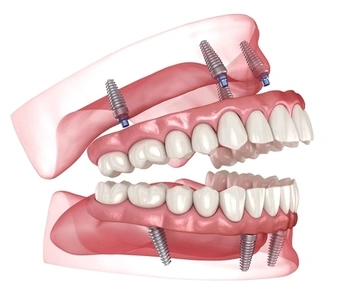
Full arch dental implants are a procedure used to restore every tooth in the upper or lower dental arch. Instead of replacing each tooth individually, a small number of implants are placed into the jaw to support a full set of prosthetic teeth.
In many cases, four implants, often referred to as 4 dental implants, are used to secure a complete bridge. These implants are carefully positioned in areas of stronger bone to provide stable support for the entire arch.
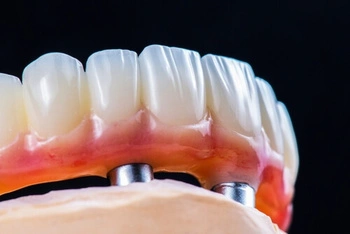
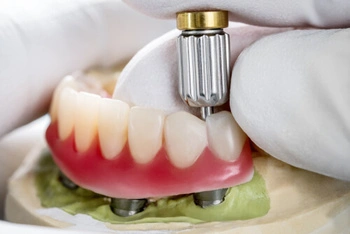
The replacement teeth are attached to a strong framework, sometimes reinforced with a titanium bar, which helps keep the full set of teeth secure and stable.
Why Consider Full Arch Implants?
Full arch implants may be recommended for people who:
- Have multiple damaged or missing teeth.
- Have failing teeth that cannot be restored.
- Struggle with loose, removable dentures.
- Experience bone loss due to long-term tooth loss.
- Want a more permanent solution.
Traditional dentures can sometimes move while speaking or eating chewy foods. Unlike traditional dentures, arch dental implants are anchored into the jaw, which helps improve stability and comfort.
Because implants provide support through the bone, they can also help reduce further bone loss over time.
How Full Arch Implant Treatment Works
Full arch dental treatment usually follows several structured steps.
Initial Consultation
The process begins with an initial consultation. During this visit, the dentist reviews your oral health, medical history, and dental needs. Imaging scans are performed to evaluate bone density and carefully map out implant positioning.
Eligible patients are identified based on bone structure, gum condition, and general health. When bone density is insufficient, bone grafting may be considered to reinforce the area prior to implant placement.
Implant Placement
The surgical procedure involves placing implants into the jawbone. These implants act as artificial tooth roots.
The procedure may be performed with local anaesthetic, IV sedation, or, in some cases, general anaesthesia, depending on patient preference and complexity.
The implants are positioned in carefully selected areas of the jaw to provide stable support for the full arch.
Temporary Prosthesis
After implant placement, a temporary prosthesis is often attached. This allows patients to leave with new teeth while the healing process begins.
The temporary prosthesis is designed for comfort and appearance, but patients are usually advised to eat softer foods during this stage to protect the implant sites.
The Healing Process
Healing is a critical part of full-arch dental implant treatment. Over several months, the implants integrate with the bone in a natural healing process.
During this period:
- Blood vessels supply nutrients to the implant area.
- Blood flow supports tissue recovery.
- The implants bond with the jawbone.
Good oral hygiene is essential. Using an antibacterial mouthwash, brushing carefully, and avoiding excessive pressure on the implants help reduce complications.
Most patients are advised to avoid chewy foods and stick to softer foods until fully healed.
Once healing is complete, the final prosthesis is attached.
The Final Prosthesis
After the implants are fully healed, the temporary prosthesis is replaced with the final prosthesis. This permanent solution is custom-made to suit your smile and bite.
The final set of prosthetic teeth is designed to look natural and function similarly to natural teeth. Materials are chosen for durability and appearance.
Full arch dental implants aim to restore confidence, chewing ability, and speech clarity.
Who Is a Good Candidate?
Not everyone is automatically a good candidate for full arch implants. Several factors are assessed, including:
- Bone density
- Overall oral health
- Presence of gum disease
- General medical history
Patients with uncontrolled gum disease may need treatment before implant placement. Patients who have substantial bone loss may need bone grafting to improve support for the implants.
A qualified dentist will determine whether full arch implant treatment is suitable.
Full Arch Implants Compared to Removable Dentures
Removable dentures are often used to replace all the teeth, but they sit on the gums and can shift during use.
Unlike traditional dentures, full arch implants are anchored in place. Implants provide stability and reduce movement.
Because they are fixed, many patients report greater comfort and confidence than with removable dentures. Full arch implants may also help preserve bone, as they stimulate the jawbone in a way that traditional dentures do not.
Benefits of Full Arch Dental Implants
Full arch dental implants can offer several benefits:
- Replace all the missing teeth in one arch.
- Provide a fixed solution.
- Improve chewing strength.
- Help reduce bone loss.
- Offer a natural appearance.
For many patients, full arch implants represent an advanced technology approach to managing damaged or missing teeth.
Long-Term Care and Maintenance
Although full arch implants are designed as a long-term solution, they still require proper care.
Maintaining oral hygiene is essential. This includes:
- Brushing around the prosthetic teeth
- Cleaning under the dental bridge
- Attending regular check-ups
Gum disease can still affect tissues around implants if oral hygiene is neglected. Regular professional cleaning supports long-term oral health.
Potential Risks and Considerations
As with any surgical or invasive procedure, full arch dental implants carry potential risks.
These may include:
- Infection
- Implant failure
- Delayed healing process
- Swelling or discomfort
Discussing your case with a dentist helps ensure you understand possible outcomes.
Careful planning, proper healing, and good aftercare significantly reduce risks.
How Long Do Full Arch Dental Implants Last?
Many people considering full arch dental implants want to understand how long the results may last. While no dental treatment can be guaranteed for life, implants are designed to provide long-term support when properly maintained.
The implants placed in the jawbone can often remain stable for many years because they integrate directly with the bone. However, the prosthetic teeth attached to the implants may experience normal wear over time and could eventually need maintenance or replacement.
Longevity depends on several factors, including oral hygiene, regular dental check-ups, overall health, and habits such as smoking or teeth grinding. Good daily cleaning and professional monitoring play an important role in preserving both the implants and the surrounding tissues.
Understanding expected lifespan helps patients plan realistically and commit to long-term care after treatment.
Payment and Practical Considerations
Full arch dental implants involve advanced technology and multiple steps, which can affect cost.
Many dental practices offer payment plans to help make treatment more affordable. During your consultation, you can discuss treatment stages and financial considerations clearly.
The focus should remain on suitability, long-term stability, and overall oral health rather than cost alone.
Eating and Daily Life After Treatment
After final placement, most patients can gradually return to a normal diet. However, it is wise to be cautious with very hard or chewy foods.
Once fully healed, full arch implants allow patients to chew more comfortably compared to removable dentures.
Because implants are fixed, there is no need to remove them at night. This convenience supports daily comfort and confidence.
Final Thoughts on Full Arch Dental Implants
Full arch dental implants are structured to restore every tooth in a dental arch by using a limited number of carefully positioned implants. For patients with failing teeth, damaged or missing teeth, or long-term denture challenges, this approach may provide a stable and fixed solution.
From the initial consultation to the healing process and final prosthesis, each step is carefully planned to support comfort and function. While the surgical or invasive procedure carries risks, thorough assessment and professional guidance help ensure appropriate treatment decisions.
If you are considering full arch implant treatment or would like personalised advice about your options, you canarrange a consultation with us atBoutique Dental Implants & Cosmetics or call (02) 4602 1933 to discuss your needs in a calm and supportive setting.
Note: Any surgical or invasive procedure carries risks. Before proceeding, you should seek a second opinion from an appropriately qualified health practitioner.
Resources
Colgate (2023). ‘What Is Good Oral Hygiene?’. Colgate, 9 January. New York, NY: Colgate-Palmolive Company. https://www.colgate.com/en-us/oral-health/adult-oral-care/what-is-good-oral-hygiene
Mayo Clinic Staff (2024). ‘Dental Implant Surgery’. Mayo Clinic, 23 October. Rochester, MN: Mayo Foundation for Medical Education and Research. https://www.mayoclinic.org/tests-procedures/dental-implant-surgery/about/pac-20384622
Cleveland Clinic (2023). ‘Periodontal Disease (Gum Disease)’. Cleveland Clinic, 10 April. Cleveland, OH: Cleveland Clinic. https://my.clevelandclinic.org/health/diseases/21482-gum-periodontal-disease