
Dental implant failure is uncommon, but it does happen. Understanding why implants fail, what the warning signs look like, and how your oral health history affects risk can help you make a more informed decision about treatment.
At Boutique Dental Implants & Cosmetics in Campbelltown, Dr Shaun Lajevardi takes a thorough approach to dental implant treatment, including a full assessment of the factors that can affect long-term outcomes.
Quick Overview
- Dental implant failure occurs when an implant does not bond successfully with the jawbone, or loses that bond after an initial period of function
- It may affect people with certain medical histories, lifestyle factors, or oral health conditions, though individual risk varies
- Failure can occur early (during healing) or late (after the implant has been in use), and may involve bone loss, infection, or mechanical complications
- Factors such as bone density, gum health, smoking, systemic conditions, and oral hygiene can all play a role in how well an implant integrates and holds over time
- A detailed clinical assessment, including dental history and medical history review, is used to evaluate suitability before treatment begins
The sections below outline the main causes of dental implant failure, the warning signs to watch for, and how these risks are assessed and managed.
What Is Dental Implant Failure?
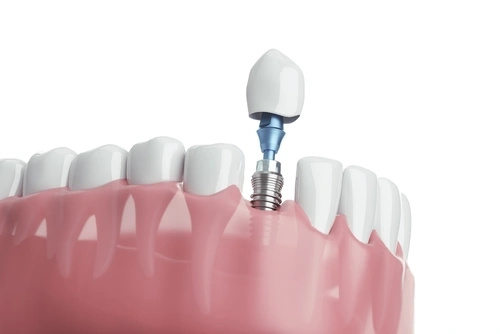
Dental implant failure occurs when an implant cannot be maintained in the jaw and must be removed. It is generally categorised into two types based on timing.
Early implant failure occurs within the first three to six months, before the implant has fully integrated with the surrounding bone. It typically involves a disruption to osseointegration: the process by which the titanium post bonds with bone tissue. Late implant failure occurs after the implant has been in function, and is often associated with bone loss, peri-implant disease, or mechanical complications.
Overall, dental implants have a high rate of long-term success when placed and maintained appropriately. Failure, while clinically significant, remains a minority outcome.
What Causes Dental Implants to Fail?
Implant failure has multiple contributing factors, and they interact differently in each patient. The most commonly identified causes include:
Peri-implant disease
Peri-implantitis is the most frequently cited factor in implant failure. It is an inflammatory condition affecting the tissue and bone surrounding the implant, driven largely by bacterial accumulation. Gum disease before implant placement is one of the strongest associated risk factors, with a history of periodontitis linked to a notably higher likelihood of peri-implantitis developing around an implant.
Insufficient bone density or volume
Implants require adequate bone to achieve and maintain osseointegration. When bone density or volume is insufficient at the implant site, integration may be incomplete, or bone may recede over time. Bone grafting can be used to address bone deficiency in some cases, though individual suitability depends on a clinical assessment.
Smoking and tobacco use
Smoking affects oral health in ways that directly increase implant risk. The mechanisms include reduced blood flow to the surgical site, impaired immune response, and disrupted bone healing. Smokers face a meaningfully higher risk of both osseointegration failure and peri-implant infection compared to non-smokers.
Poor oral hygiene
Maintaining good oral hygiene around an implant is not optional. Bacterial plaque accumulation at the implant site is the primary driver of peri-implant mucositis (early inflammation) and peri-implantitis. Patients who do not follow consistent oral hygiene routines, or who skip regular professional maintenance, have a higher risk of long-term implant complications.
Systemic medical conditions
Certain systemic health conditions can affect how well the body heals and integrates an implant. Your dentist will review your full medical history as part of the pre-treatment assessment to identify any factors that may influence your individual risk.
Teeth grinding (bruxism)
Excessive mechanical load on an implant, including that from bruxism or clenching, can contribute to marginal bone loss and implant complications over time. This is one reason why a thorough occlusal assessment and dental history review are part of implant planning.
Surgical and placement factors
Placement technique also plays a role. Guided implant placement techniques are used to support accurate positioning and reduce placement variability, which is why digital planning and 3D imaging form part of the assessment process at Boutique Dental Implants & Cosmetics.
Warning Signs of Dental Implant Failure
Early detection gives the best opportunity for intervention. Common warning signs that warrant prompt assessment include:
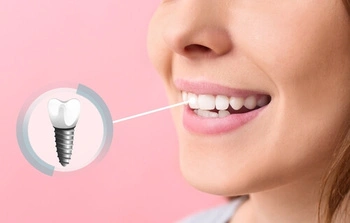
- Implant mobility or movement: A stable implant should not move. Any detectable movement of the implant itself (not just the crown) is a clinical concern.
- Persistent pain or discomfort: Some soreness after surgery is expected. Pain that continues or worsens beyond the normal healing period, or that recurs after a period of no symptoms, should be assessed.
- Swelling, redness, or suppuration around the implant site: These may indicate infection or peri-implant disease.
- Bleeding or tenderness when cleaning around the implant: Similar to gum disease around natural teeth, this may suggest early peri-implant inflammation.
- Bone recession or a visible change around the implant neck: This may indicate marginal bone loss.
If any of these signs appear, it is advisable to seek assessment promptly rather than waiting for a scheduled review. Early intervention generally allows for more treatment options.
How to Reduce the Risk of Implant Failure
While no clinical approach eliminates all risk, several steps are associated with better implant outcomes:
Before treatment: Addressing active gum disease is considered important before implant placement. Unmanaged periodontal disease increases the biological environment for peri-implant complications. Bone deficiency may be assessed for bone grafting as part of the treatment plan.
During treatment: Surgical precision, including guided placement techniques where appropriate, is associated with lower failure rates. Digital planning is used to support accurate implant positioning.
After treatment: Long-term implant health depends significantly on the patient. Maintaining consistent oral hygiene, attending regular professional reviews, and following post-surgical care instructions all support ongoing integration and stability.
What to Expect During the Healing Process
The healing phase after implant placement is the period when osseointegration occurs. This is when the titanium post gradually fuses with the surrounding jawbone, forming a stable foundation. Understanding what normal healing looks like can help you recognise when something may need attention.
In the days immediately following surgery, some swelling, tenderness, and minor bleeding around the site are expected. Most people manage this period well with the care instructions provided by their dentist. These early symptoms generally ease within the first one to two weeks.
The osseointegration process itself takes considerably longer: typically three to six months, depending on the implant location, bone quality, and individual healing. The upper jaw often takes longer than the lower jaw due to differences in bone density. During this period, the implant should feel stable. Any ongoing or worsening pain at the site warrants prompt assessment.
Several things can disrupt healing during this window. Smoking is one of the most significant. It reduces blood flow and can interfere with the bone-to-implant bonding process. Eating hard or crunchy foods before osseointegration is complete can place a premature load on the implant. Poor oral hygiene during healing allows bacteria to accumulate at the surgical site. Following your dentist’s post-operative instructions carefully throughout this period is an important part of supporting a successful outcome.
How Long Do Dental Implants Last?
Dental implants are designed to be a long-term solution for missing teeth, and many function well for decades when maintained appropriately. It is useful, though, to distinguish between the implant body itself and the crown placed on top of it, as these two components have different typical lifespans.
The titanium implant post, once successfully integrated with the jaw, is generally durable over the long term. The crown, which is the visible replacement tooth attached to the implant, is subject to more wear and may need replacement after ten to fifteen years, depending on the material used, the position of the implant in the mouth, and how the patient uses their teeth.
Several factors influence how long an implant and its restoration remain functional. These include the quality of the bone at the implant site, the patient’s ongoing oral hygiene, the presence or absence of parafunctional habits such as bruxism, and whether professional maintenance reviews are attended consistently. Implants in the back of the mouth bear more chewing force and may experience more wear over time than those positioned toward the front.
Implant longevity is not fixed; it varies from person to person. A clinical assessment before and throughout treatment helps identify which factors apply to your situation.
What Are the Options If an Implant Fails?
If a dental implant fails and must be removed, this is not necessarily the end of the road. Whether re-treatment is possible depends on several factors assessed at the time of removal.
The first consideration is the state of the bone at the implant site. When an implant is removed, there is typically some degree of bone loss in the surrounding area. The extent of this loss determines what preparatory steps may be needed before another implant can be considered. In some cases, bone grafting can help rebuild adequate volume and density over a healing period. The timeline for this varies based on the individual.
The cause of the original failure also informs what, if anything, needs to be addressed before re-treatment. If the failure was related to an uncontrolled contributing factor, such as active peri-implant infection, unmanaged gum disease, or ongoing lifestyle factors like smoking, these generally need to be resolved before a further attempt is planned. If the cause was primarily surgical or mechanical, a different approach to placement may be considered.
Not every failed implant site is suitable for a repeat implant. Some patients choose alternative tooth replacement options, such as a dental bridge or denture, depending on the circumstances. A thorough clinical assessment after implant removal is the starting point for understanding what options may be available for your individual situation.
A Considered Approach to Dental Implant Treatment
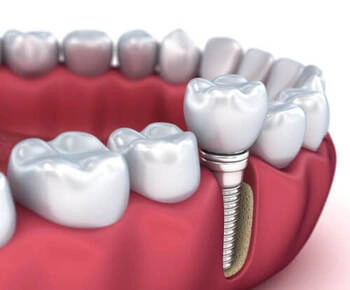
Dental implant failure is not inevitable, but it is a real possibility that varies in likelihood based on individual clinical factors. Understanding those factors before treatment starts allows for a more accurate picture of what the process involves for your particular situation.
If you are considering dental implants or have concerns about an existing implant, Boutique Dental Implants & Cosmetics welcomes you to arrange a consultation with Dr Shaun Lajevardi at our Campbelltown practice. A thorough clinical assessment is the starting point for any treatment discussion.
Call us on (02) 4602 1933 or book an appointment online.
Note: Any surgical or invasive procedure carries risks. Before proceeding, you should seek a second opinion from an appropriately qualified health practitioner.
Frequently Asked Questions
What are the most common signs of dental implant failure?
The most frequently reported warning signs include implant mobility, persistent or recurring pain beyond the healing period, swelling or redness around the implant site, and bleeding when cleaning. Changes in the gum tissue or bone level around the implant neck may also indicate a developing problem. If any of these occur, it is advisable to contact your dentist promptly rather than waiting for a scheduled review.
How soon can a dental implant fail?
Implant failure is generally categorised as early (within the first three to six months, during osseointegration) or late (after the implant has been in function). Early failure typically involves the implant not bonding adequately with the jawbone. Late failure tends to involve bone loss, peri-implant disease, or mechanical complications that develop over time after successful initial integration.
How does dental implant surgery affect the surrounding teeth and tissues?
Dental implant placement is designed to work independently of adjacent teeth, which is one way it differs from options like removable partial dentures or bridges that rely on neighbouring teeth for support. The implant fuses directly with the jawbone, so surrounding tissues are not loaded or altered in the way they would be with other tooth replacement approaches. That said, the surgical site does involve the gum and bone tissue immediately around the implant, and maintaining healthy gums in that area before and after the procedure is important for keeping the surrounding structures stable. Individual treatment outcomes depend on the condition of the bone and soft tissue at the time of placement.
What should I eat and do immediately after implant surgery to avoid further complications?
In the days following dental implant surgery, eating soft foods helps reduce pressure on the surgical site while the initial healing begins. Hard, crunchy, or chewy foods can place excessive stress on the implant before it has had time to stabilise in the bone. Your dentist will provide specific post-operative instructions, and following these carefully reduces the risk of bacterial complications at the site. If you notice unusual swelling, discharge, or increasing discomfort, contacting your dentist immediately rather than waiting is advisable. Antibiotic therapy may be prescribed in some cases depending on your medical history and the complexity of the procedure.
References
Healthdirect Australia. (2025). ‘Dental Implant’. Healthdirect, 12 June. Sydney, NSW: Healthdirect Australia. https://www.healthdirect.gov.au/dental-implant
Better Health Channel. (n.d.). ‘Gum Disease’. Better Health Channel. Melbourne, VIC: Department of Health, State Government of Victoria. https://www.betterhealth.vic.gov.au/health/conditionsandtreatments/gum-disease
Better Health Channel. (n.d.). ‘Smoking and Oral Health’. Better Health Channel. Melbourne, VIC: Department of Health, State Government of Victoria. https://www.betterhealth.vic.gov.au/health/healthyliving/smoking-and-oral-health
Australian Dental Association. (n.d.). ‘Dental Implants’. teeth.org.au. Sydney, NSW: Australian Dental Association. https://www.teeth.org.au/dental-implants
Australian Dental Association. (n.d.). ‘Preventing and Treating Bruxism’. Australian Dental Association. Sydney, NSW: Australian Dental Association. https://ada.org.au/preventing-and-treating-bruxism